Types of PGT
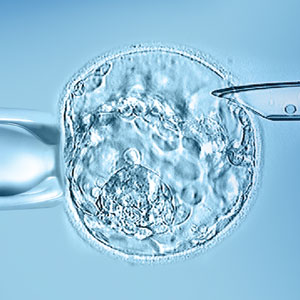
PGT-A (Preimplantation Genetic Testing for Aneuploidy)
Purpose: Detects an abnormal number of chromosomes (aneuploidy) in embryos.
Benefit: Reduces the risk of miscarriage and increases the likelihood of a successful pregnancy by selecting embryos with the correct number of chromosomes.
Who Should Consider PGT-A:
- Women of Advanced Maternal Age: Women over 35 have a higher risk of chromosomal abnormalities in their eggs.
- Couples with Recurrent Pregnancy Loss: Can help identify embryos with the correct number of chromosomes to improve pregnancy outcomes.
- Previous IVF Failures: Beneficial for couples who have undergone several unsuccessful IVF cycles.
- Male Factor Infertility: Can reduce higher rates of chromosomal abnormalities in embryos.
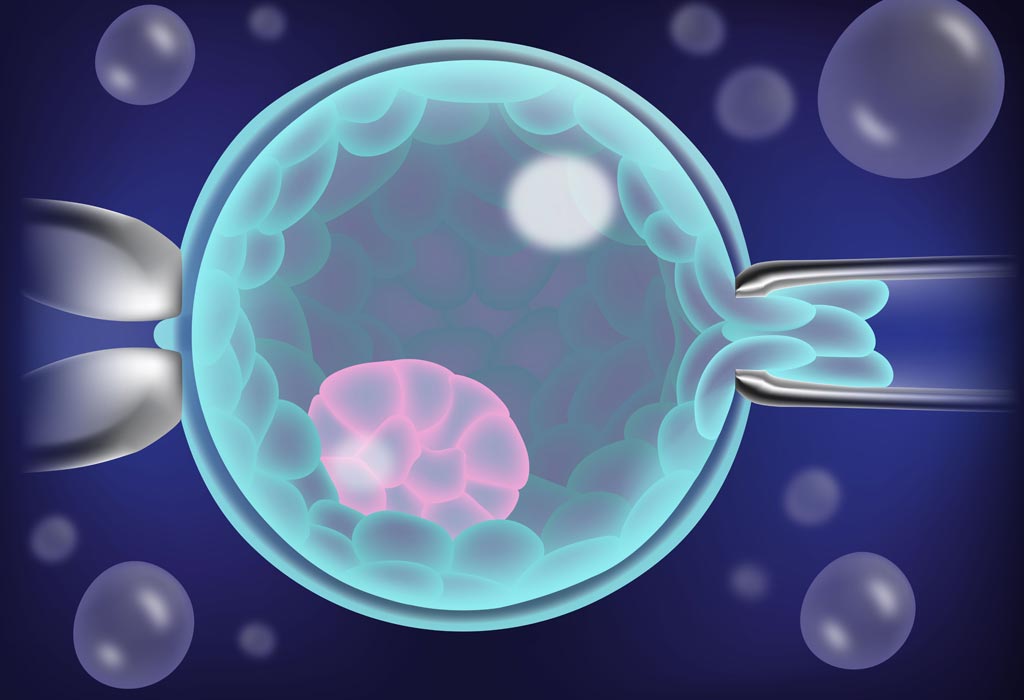
PGT-M (Preimplantation Genetic Testing for Monogenic Disorders)
Purpose: Screens embryos for specific single-gene disorders, such as Thalassemia, sickle cell anemia, hemophilia, cystic fibrosis, or Huntington's disease.
Benefit: Prevents the transmission of known genetic disorders to offspring.
Who Should Consider PGT-M:
- Known Genetic Disorders: For couples where one or both partners are carriers of a single-gene disorder.
- Family History of Genetic Disorders: Helps prevent known genetic conditions from being passed on to offspring.
- Ethnic Backgrounds with Higher Risk: Certain ethnic groups have a higher prevalence of specific genetic disorders.
PGT-SR (Preimplantation Genetic Testing for Structural Rearrangements)
Purpose: Identifies structural chromosomal abnormalities like translocations or inversions.
Benefit: Ensures that embryos with balanced chromosomal structures are selected, reducing the risk of genetic disorders and miscarriage.
Who Should Consider PGT-SR:
- Chromosomal Rearrangements: For couples where one partner carries a balanced chromosomal rearrangement.
- Recurrent Pregnancy Loss: Beneficial for couples with multiple miscarriages due to structural chromosomal abnormalities.
- Previous Children with Chromosomal Abnormalities: Helps in selecting embryos with balanced chromosomes.
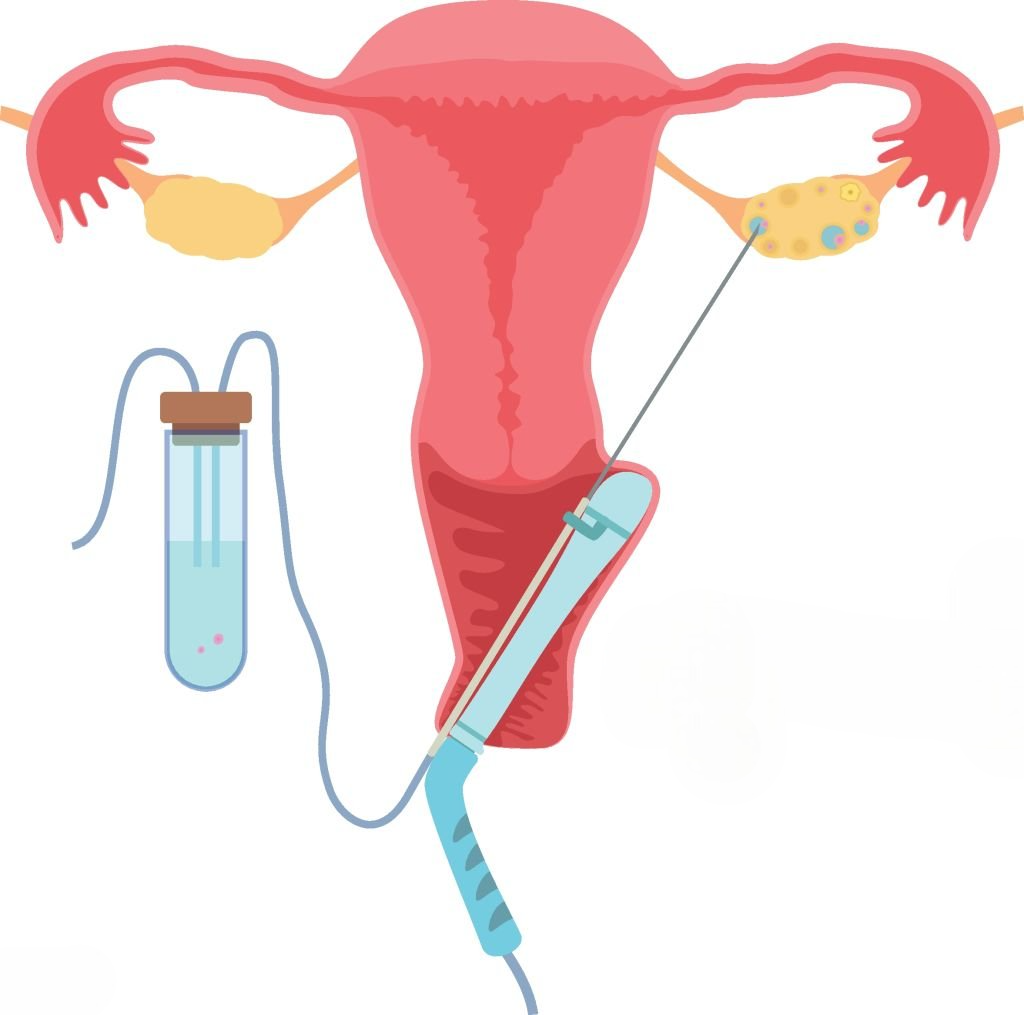
Procedure
IVF Process:
- Ovarian stimulation to produce multiple eggs.
- Retrieval of eggs from the ovaries.
- Fertilization of eggs with sperm in the laboratory to create embryos.
Embryo Biopsy:
- At the blastocyst stage (typically day 5 or 6), a few cells are carefully removed from each embryo.
- The biopsy is performed without damaging the embryo, which continues to develop.

Genetic Analysis:
- The biopsied cells are sent to a genetic laboratory for analysis.
- Advanced techniques such as Next Generation Sequencing (NGS) or Comparative Genomic Hybridization (CGH) are used to examine the genetic material.
Selection of Embryos:
- Based on the genetic test results, embryos that are free from abnormalities are selected for transfer.
- These embryos are then implanted into the uterus or frozen for future use.

Benefits of PGT
- Increased Success Rates: Higher chances of implantation and successful pregnancy.
- Reduced Miscarriage Rates: Selecting embryos with the correct number of chromosomes significantly reduces the risk of miscarriage.
- Prevention of Genetic Disorders: Helps prevent the transmission of genetic diseases to offspring.
- Informed Decision Making: Provides valuable information for prospective parents to make informed choices about their reproductive options.
Considerations
- Technical Complexity: Requires specialized expertise and advanced laboratory facilities.
- Cost: Can be expensive and not affordable to everyone.

General Recommendations
- Consultation with a Genetic Counselor: Couples considering PGT should consult with a genetic counselor to understand their risks and make informed decisions.
- Personal and Family Medical History: Detailed personal and family medical histories can help determine the need for specific types of PGT.
PGT is a powerful tool in reproductive medicine, offering hope to couples at risk of genetic disorders and those experiencing recurrent miscarriages or failed IVF attempts. It combines the latest advancements in genetics with the precision of modern reproductive technology to help achieve healthy pregnancies and the birth of healthy babies.
Begin Your Journey with Sachren orthopaedic hosiptal and IVF Centre
Your journey to parenthood starts here. Contact Us at +918530046800/+918530064800 today to schedule a consultation or visit our state-of-the-art facility. Together, we can help you achieve the dream of building your family.
"Book an appointment today and let us help you achieve your dream of parenthood!"